Skip To Menu
Skip To Content
Skip To Accessibility Options
Skip To Language Options
Accessibility
Tools
Hide Images
Highlight Links
Grayscale
High Contrast
Invert Colors
Dyslexic Friendly
Stop All Videos
Text:
A
A
A
Recycling Guide
Recycle ONLY the following in your bin/cart:
Paper, cardboard and cartons
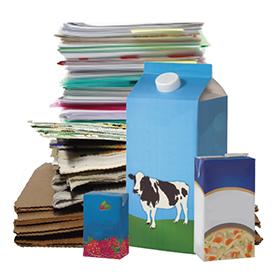
That’s it—no other paper products. For example, a paper towel is not paper, cardboard, or a carton, so it doesn’t belong in your cart. Paper and cardboard should be flattened and mostly clean and dry (a little grease on a pizza box is OK). Cartons must be empty and should be rinsed. Place plastic tops back on to cartons prior to recycling.
No napkins, tissues, paper towels, or shredded paper. (FAQ)
Glass, bottles and jars
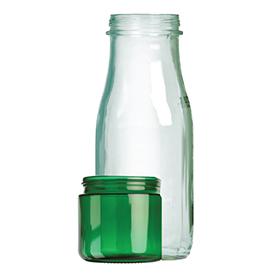
That’s it—no other glass. For example, a drinking glass is not a bottle or jar, so it doesn’t belong in your cart. Bottles and jars must be empty and should be rinsed. Remove metal tops from glass bottles and jars first, and recycle separately.
Metal cans, lids and foil
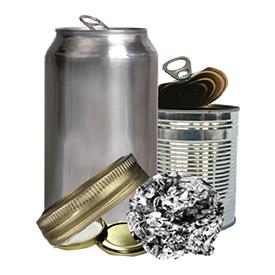
That’s it—no other metal. For example, a metal frying pan is not a can, lid, or foil, so it doesn’t belong in your cart. Containers must be empty and should be rinsed. Foil should be clean and bunched up.
Plastic Containers
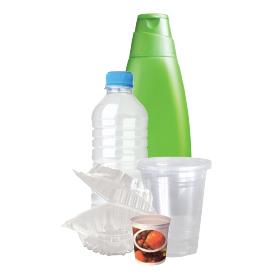
That’s it—no other plastic. For example, a plastic coat hanger is not a container, so it doesn’t belong in your cart. Containers must be empty and should be rinsed. Place plastic tops back on to containers prior to recycling.
No Styrofoam containers or plastic containers that once held flammable materials or oily chemicals like gasoline, motor oil, antifreeze, pesticides or herbicides. (FAQ)
Still not sure?
If you want to check if a particular item is recyclable, visit Rhode Island Resource Recovery’s A-Z recycling guide. If you still can’t figure it out, it’s best to throw the item in your trash cart rather than risk contaminating your recycling cart.
Curbside Recycling in Providence
The City provides free, weekly curbside collection of recyclables to residents living in structures with 6 or fewer dwelling units. It’s important to learn what can and cannot be recycled. When we recycle right, our old products and packaging get turned into new products and packaging, which reduces our impact on the environment. When our recycling is contaminated with bags of trash or other non-recyclable items, our recycling gets sent to the landfill instead of being recycled, at a cost to both the environment and City’s taxpayers.
Here are tips to help you start recycling right:
-
-
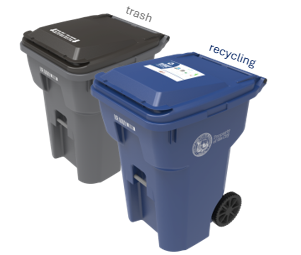
The blue cart is for recycling. The gray cart is for trash.
-
All recyclables can be mixed together. You don’t need to separate paper and cardboard.
-
Don’t bag your recyclables, keep them loose in your cart.
-
Don’t put bags of trash, loose plastic bags, food, or Styrofoam in your recycling cart.
-
When in doubt, throw it out!
Mixed Recycling Guides